Stuck on Slang in Bilibili, Xiaohongshu, and Chinese Dramas? 35 Essential Buzzwords & a Bilingual Viewing Guide
 Equalang
In brief
Passed the HSK but still baffled by Bilibili bullet comments, Xiaohongshu reviews, or Chinese micro-dramas? Here are 35 essential Chinese internet slang terms, pinyin acronyms, and a practical bilingual browsing workflow.
Keywords: Bilibili bullet comments slang, Xiaohongshu internet buzzwords, Chinese micro-drama translation, Chinese internet slang, bilingual subtitles browser extension

Whether you are exploring Bilibili (B站), Xiaohongshu (小红书 / RED), and trending Chinese micro-dramas (微短剧) yourself or guiding international colleagues through them, you quickly encounter baffling expressions. A video begins, and the screen is instantly flooded with bullet comments (弹幕) like 前方高能 (qián fāng gāo néng), yyds, xswl, and awsl. Open a Xiaohongshu comment thread, and it is packed with 狠狠种草 (hěn hěn zhòng cǎo), 大避雷 (dà bì léi), 求平替 (qiú píng tì), and 显白绝绝子 (xiǎn bái jué jué zǐ). Tap on a popular vertical drama, and the storyline introduces an “overbearing CEO groveling to win back his ex-wife, while the real heiress stages an underdog comeback” (霸总追妻火葬场,真千金逆袭打脸). Even for learners who have passed advanced proficiency exams like HSK levels 4–6 and can recognize every individual character, standard dictionaries rarely explain the underlying humor, memes, and cultural subtext.
Language across Chinese online communities evolves at breakneck speed. Pinyin initialisms, homophonic wordplay, ACG (Anime, Comic, Games) subculture jargon, and formulaic drama tropes form a "living Chinese" that traditional textbooks and standard dictionaries simply cannot catalogue in real time.
To bridge this cross-cultural gap, we have compiled a curated cheat sheet of 35 high-frequency Chinese internet slang terms and pinyin acronyms categorized by real-world context, complete with practical English equivalents. We also share a desktop browser workflow combining paragraph-by-paragraph bilingual alignment, lightweight selection lookup popups, and dual-language video subtitles to make exploring native Chinese content frictionless.
1. Why Standard Dictionaries Struggle with Chinese Internet Slang
Textbooks and general-purpose dictionaries prioritize formal grammar and established semantics. Digital Chinese communities, by contrast, rely on unique mechanisms of linguistic compression and meme generation:
- Heavy Pinyin Initial Compression: To type rapidly during live bullet comments and fast-moving comment sections, common emotional reactions are compressed into their pinyin initials (e.g.,
yydsfor yǒng yuǎn de shén / "forever the god";xswlfor xiào sǐ wǒ le / "laughing to death"). Translated literally without context, they look like arbitrary alphanumeric code. - Metaphorical Shifts of Everyday Words: Zhòng cǎo (种草) literally means "planting grass," but on lifestyle platforms it means having a desire sparked to buy or try something recommended by others. In video communities, shēng ròu (生肉) does not mean raw meat from a butcher, but an untranslated "raw" video lacking subtitles.
- Formulaic Tags in Micro-Drama Storytelling: In fast-paced vertical micro-dramas packed with rapid plot reversals, a single four-character phrase (like nì xí dǎ liǎn / "underdog comeback and face-slapping", or tuán chǒng / "group darling") encapsulates an entire character arc and emotional payoff.
2. Curated Reference: 35 Essential Terms Across Bilibili, Xiaohongshu, and Micro-Dramas
Whether you are a Chinese language learner studying authentic digital media or an enthusiast explaining contemporary Chinese web culture to international peers, these four categorized reference tables provide direct, context-aware translations:
1. Bilibili (B 站): Bullet Comments and Video Community Slang (11 Terms)
2. Xiaohongshu (小红书 / RED): Lifestyle, Shopping, and Aesthetic Terms (9 Terms)
3. Chinese Micro-Dramas (微短剧): Archetypes and Plot Tropes (8 Terms)
4. Cross-Platform Social and Emotional Slang (7 Terms)
3. Seamless Browsing on Bilibili, Xiaohongshu, and Video Platforms: A Practical Bilingual Workflow
Memorizing a vocabulary list is helpful, but when you open native desktop websites with dense photo essays, rapid bullet comments, or unsubtitled short clips, constantly toggling between dictionary tabs breaks reading immersion and viewing pleasure.
Setting up a desktop browsing environment with paragraph-by-paragraph bilingual alignment, lightweight selection lookup popups, and dual-language video subtitles substantially improves cross-language comprehension:
1. Long-Form Posts and Comments: Enable Paragraph-by-Paragraph Bilingual Translation
Traditional browser full-page translation replaces the original Chinese text entirely. When names, brand handles, or internet slang are mechanically translated, readers lose the original wording and cannot verify what was actually written.
In paragraph-by-paragraph bilingual mode, the translated text is rendered directly beneath each original paragraph in real time as you scroll. This preserves the original phrasing, formatting, and hyperlinks while allowing quick side-by-side scanning:
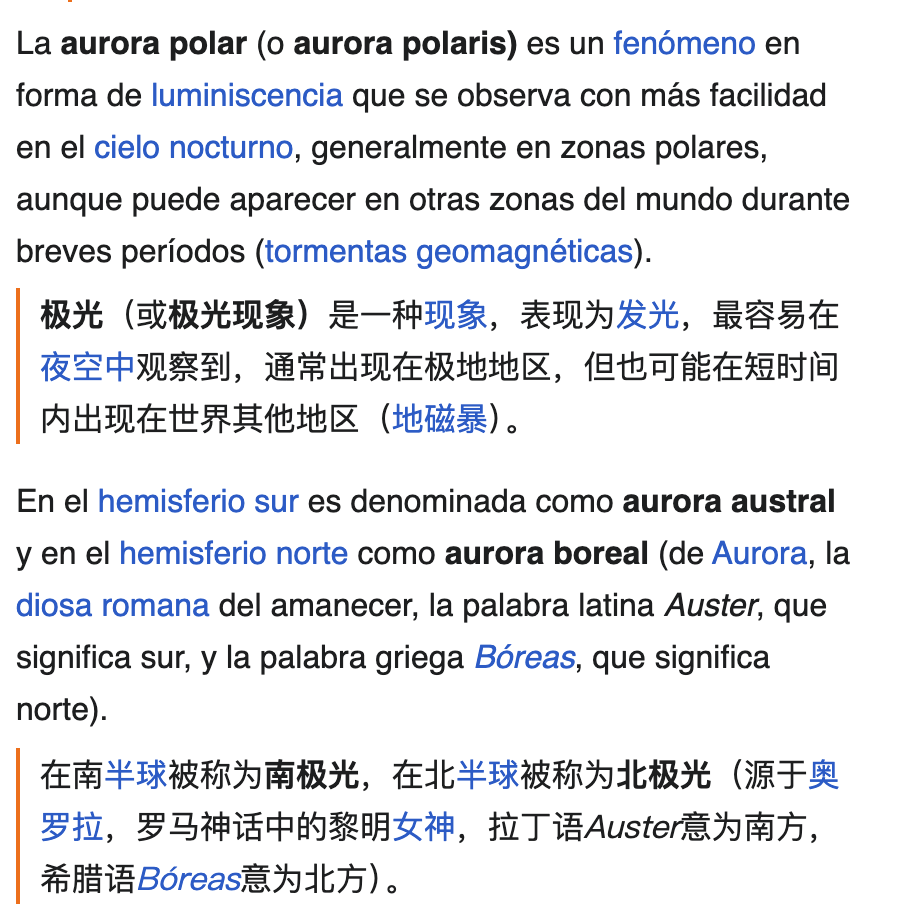
- Best For: Reading detailed Xiaohongshu fashion or travel guides, Bilibili column articles, and highly upvoted comment threads. Non-native Chinese speakers can set their target language to their mother tongue (such as English, Japanese, or Korean), while Chinese speakers browsing foreign websites can use the reverse view.
- Layout Tip: Because bilingual mode stacks original and translated text vertically, pages with floating sidebars or media widgets on the right may occasionally experience minor visual overlap with longer translations. Scrolling the page slightly resets the viewport layout.
2. Unfamiliar Words and Acronyms: Use Lightweight Selection Lookup
When you can understand most of a page and do not need full-page translation, a lightweight selection popup is the least disruptive approach.
Simply highlight an unfamiliar word or acronym with your cursor and click the quick-action icon. A clean floating popup displays the original word and translation, complete with a read-aloud button, without navigating away from the page:

3. Videos and Micro-Dramas: Enable Dual Subtitles or Real-Time Audio Translation
For streaming series, micro-dramas, and long-form video content, bilingual subtitles combine visuals, audio, and text into an effective multi-sensory learning experience:
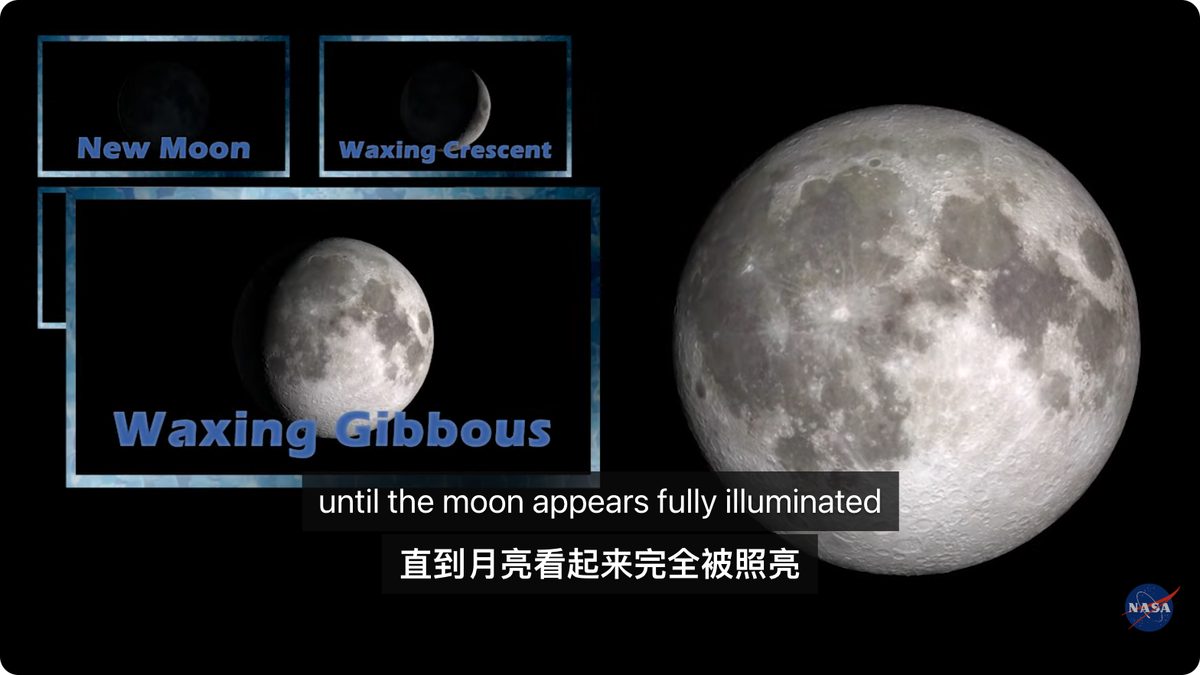
- Videos with Existing Subtitle Tracks (e.g., CC or official subtitles): Enabling dual-subtitle mode displays both original and translated text simultaneously in the player, making it easy to study natural dialogue and sentence structure.
- Videos Without Subtitles (e.g., unscripted vloggers, unsubtitled micro-dramas, or raw uploads): You can enable real-time speech translation based on the audio stream, converting spoken dialogue into live bilingual captions. Note that transcription accuracy can be affected by loud background music (BGM) or overlapping voices, and copyright-protected streaming platforms utilizing browser DRM typically restrict external audio capture.
4. Practical Tips for Navigating Chinese Digital Culture and Language Learning
- Combine the Cheat Sheet with Contextual Translation: When encountering dense niche slang like
yyds,种草, or打脸, use a contextual translation tool to understand the sentence syntax, then consult the 35-term cheat sheet to grasp the cultural nuances and emotional tone behind the words. - Adopt an "Original First, Translation Second" Reading Habit: If you are learning Chinese, keep the target language set to your native tongue, but train yourself to read the top line of original Chinese first. Only glance at the translation underneath when you encounter an unfamiliar character or confusing syntax.
- Leverage Bullet Comments and Discussion Threads for Context: In Chinese digital communities, much of the humor, subtext, and communal creativity lives in the comments section and bullet streams. An ordinary video clip often takes on a whole new layer of meaning when experienced alongside viewer reactions like
前方高能or破防了.
Bookmark this 35-term slang guide for quick reference. Whether you are conducting cross-cultural research, collaborating with Chinese teams, or enjoying trending dramas and social media posts on desktop, these tools help you engage with contemporary digital Chinese with confidence.
The translation screenshots in this guide were captured using Equalang.
Sources
- Wikipedia contributors. Aurora polar (oldid 174961334), licensed under CC BY-SA 4.0: https://es.wikipedia.org/w/index.php?title=Aurora_polar&oldid=174961334
- NASA Johnson. STEMonstrations: Moon Phases (video source used for dual-subtitle testing): https://www.youtube.com/watch?v=SDhlPEMkiOo